|
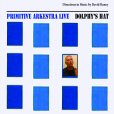
DOLPHY'S HAT
|
|
|
SLAMCD 549
£
10.00 inc VAT
|
|
Add to Shopping Basket
|
|
PRIMITIVE ARKESTRA, DIRECTIONS IN MUSIC BY DAVID HANEY
The CD presents a collection of recordings by ‘Primitive Arkestra' from 2008 and 2013 in quartet to 12 piece, all directed by pianist/conductor David Haney.
David writes:
"This live CD is a collection of improvised works for large ensemble. The musical groups vary on most selections, offering a snapshot in time of the life of Primitive Arkestra. Julian Priester, Roy Campbell, Steve Swell, Adam Lane, Frank Clayton are but a few of the amazing artists included. A few of the pieces were conducted by me, others I directed from the piano. The themes are simple and secondary to the forms. In setting up the pieces there were no rehearsals, and the instructions were intentionally kept to a minimum. This album is dedicated to the many members who contributed so much. Special thanks in memory of the late Roy Campbell. The Arkestra was blessed with his presence and performances at the I-Beam in Brooklyn, NY for the 2013 Cadence Fest. Thanks Roy!"
The collective personnel is: David Haney piano, conductor, Julian Priester trombone, Steve Swell trombone, Marc Smason trombone, shofar, digerydoo, Frank Clayton bass, Oleg Ruvinov tuba, Nadya Kadrevis drums, Rosalyn DeRoos clarinet, Doug Haning contra alto clarinet, Michael Wimberly drums, Matt Cercily mandolin, Dan Blunck tenor sax, flute, Roy, Campbell flute, trumpet, Juan Pablo Carletti drums, Adam Lane bass, Blaise Siwula sax, David Bindman sax, Avram Ferver sax, David Arner piano, Liam Sillery Trumpet, Bob Reina Piano Chris Jones Bass, Mark Flynn Drums, Jack DeSalvo cello, Matt Lavelle trumpet, Nora McCarthy voice, John Murchison bass, Stan Nishimura trombone, Diana Wayburn flute, Frankie Wilson tenor sax, Constance Cooper piano.
|
|
Details
Reviews
|
|
Track details:
Rutless Opening (Haney) 1:56
Leopard's Boulevard (Haney) 3:14
L. T. Ruckus (Haney) 2:58
Freedom Thirty-five (Haney) 5:45
Conflagration (Haney) 4:08
Kicking the Tin Can Alley (Haney) 8:40
Sir Drips a Lot (Haney) 2:43
Desolate Row (Haney) 5:43
Dolphy's Hat (Haney) 15:26
Nina Rota Letter to Fellini (Haney) 9:34
Remembering Uncle Two Brains (Haney)11:18
Date and place of recording.
The Royal Room, Seattle, WA February 17, 2012
Jackstraw Studios, Live recording for Sonarchy Radio, KEXP
La musica
presentata su questa nuova pubblicazione della PrimitiveArkestra è opera
del compositore e pianista americano David Haney ed
è una raccolta di brani che cambiano ogni volta laformazione, registrati
in club o allo Jackstraw Studio nel corso deglianni, nel 1998 quelli in
studio e nel 2013 gli altri. Risiede aPortland,
nell´Oregon, ma lui dimostra lo stesso di essere moltoaggiornato su
quello che succede nel jazz odierno,appunto nei concerti tenuti nei club
di New York e
qui registrati.La sua Arkestra è una formazione collettiva e come tale
tiene atenere un profilo basso dei solisti privilegiando il dialogo ed
unamusica che si sviluppa nell´insieme. È l´autore delle composizioni,
male idee che spuntano durante l´improvvisazione sono del gruppo in quantotale. Ci sono i
suoi musicisti preferiti, il trombonista Julian Priesterad esempio,
oppure il compianto trombettista Roy Campbell. La suaversione
dell´avanguardia procede in modo pensoso, lento, allo stessotempi ricca
di colori, di dialoghi sottili fra i musicisti, di ritmi chedettano il
percorso e che permettono alle idee di germogliare esvilupparsi. Anche in
brani dal titolo apparentemente chiaro come Nina Rota Letter to Fellinici si attiene a quello che è
ilmarchio di fabbrica senza andare a scomodare le famose melodie
chehanno accompagnato i film del regista italiano. È un brano che si
snodalento, con i fiati, Blaise Siwula e Avram Fefer ai sax e Steve Swell
altrombone, che borbottano quieti, fino a che il tutto si dirige
versoun collettivo free in cui la ritmica di Michael Wimberly alla
batteria eAdam Lane al contrabbasso gioca un ruolo decisivo insieme al
pianofortedel leader. È uno dei brani più interessanti della raccolta,
riccacomunque di validi spunti, che mostra come Haney riesca a
coinvolgere imusicisti estraendone il massimo in termini di creatività.
Il suo modo digestire la libertà, di mettere insieme composizione ed
improvvisazionepermettendo che entrambe usufruiscano dei vantaggi
dell´altra, èoriginale, senza troppi sguardi al passato, bensì solo al
futuro. Imusicisti coinvolti sono: David Haney piano, direzione, Julian
Priestertrombone, Steve Swelltrombone, Marc Smason trombone, shofar,
digeridoo, Frank Claytoncontrabasso,Oleg Ruvinov tuba, Nadya
Kadrevis batteria, Rosalyn DeRoos clarinetto, DougHaning clarinetto
contralto, Michael Wimberly batteria, Matt Cercilymandolino, Dan Blunck
sax tenore, flauto, Roy Campbell flauto, tromba,Juan Pablo Carletti batteria,
Adam Lane contrabasso, Blaise Siwula sax,DavidBindman sax, Avram
Ferver sax, David Arner piano, Liam Sillery tromba,Bob Reina piano, Chris
Jones contrabasso, Mark Flynn batteria, JackDeSalvo
violoncello,Matt Lavelle tromba, Nora McCarthy voce, John Murchison
contrabbasso, StanNishimura trombone, Diana Wayburn flauto, Frankie
Wilson sax tenore,Constance Cooper piano.
Vittorio Lo Conte http://www.musiczoom.it/?p=18726
TRANSLATION
The music presented on this new publication of Primitive
Arkestra is the work of American composer and pianist David Haney and is a
collection of songs that change with every performance, recorded in the club
or Jackstraw Studio over the years, in 1998 and those in the study the other in
2013 . He lives in Portland, Oregon,
but he shows the same to be very up to date on what's happening in jazz today,
just in concerts held in the clubs of New
York and recorded there. His Arkestra is a collective
assembly and as such it takes to keep a low profile soloists favoring dialogue
and music that developed in the collection. He is the author of the
compositions, but the ideas that pop up during the improvisation are of the
group as such, including our favourite musicians, trombonist Julian Priester
for example, or the late trumpeter Roy Campbell. His version of the vanguard
proceeds thoughtfully, slowly, at the same time rich colors, subtle dialogue
between musicians, rhythms that dictate the way and allow ideas to germinate
and grow. Even in apparently clear from the title songs like Nina Rota Letter
to Fellini we stick to what is the trademark without bothering to go to the
famous melodies that accompanied the films of Italian director. It's a track
that winds slow, with the horns , Blaise Siwula and Avram Fefer sax and Steve
Swell on trombone , who mumble quiet until the everything is directed towards a
collective in which the free rhythm of the drums and Michael Wimberly Adam Lane
on bass plays a decisive role together with the leader on piano . It is one of
the most interesting pieces in the collection, however full of valuable
insights, showing how Haney is engaging musicians extracting the maximum in
terms of creativity. His way of handling the freedom to put together
composition and improvisation by allowing both, enjoy the advantages of the
other, is the original, without too many looks to the past, but only to the
future. The musicians involved are: David Haney plan , direction, Julian
Priester trombone , Steve Swell trombone, trombone Marc Smason , shofar ,
digeridoo , Frank Clayton bass, Oleg Ruvinov tuba, Nadya Kadrevis battery ,
Rosalyn DeRoos clarinet, alto clarinet Doug Haning , Michael Wimberly battery ,
Matt Cercily mandolin, Dan Blunck tenor sax, flute, flute Roy Campbell, trumpet,
Juan Pablo Carletti battery, Adam Lane bass, Blaise Siwula sax, sax David
Bindman , Avram Ferver sax, piano David Arner, Liam Sillery's trumpet, Bob
Reina piano, bass Chris Jones, Mark Flynn, drums, cello Jack DeSalvo, Matt
Lavelle, trumpet, Nora McCarthy's voice, John Murchison bass, trombone Stan
Nishimura, Diana Wayburn flute, tenor sax, Frankie Wilson, Constance Cooper
piano.
Il rimando a due
iconoclasti DOC quali Eric Dolphy e Sun Ra già ci avvicina al cuore questo
album (in realtà c’è anche Nino—ribattezzato Nina—Rota), la cui natura parrebbe
squisitamente orchestrale (e non di rado le sonorità, e lo stesso impianto,
procedono in tal senso), mentre si tratta della raccolta di undici pezzi
registrati nell’arco di un quinquennio (2008/2013), coinvolgendo sì una
trentina di elementi, però scissi in organici che svariano per lo più dal
sestetto all’ottetto, con un quartetto ("Sir Drips a Lot") e un unico brano
("Desolate Row," e chissà se qui c’entra Bob Dylan?) di fatto orchestrale.
Ildeus ex machinadi
tutta la storia è il cinquantanovenne pianista e compositore californiano David
Haney, collaborazioni con Roswell Rudd, John Tchicai e Andrew Cyrille (fra gli
altri), oltre che, ripetutamente, con Julian Priester, non a caso largamente
presente anche in questo lavoro, in cui spicca la bellezza degli insiemi
(tranne qualche raro sfilacciamento), di regola corporei, spesso increspati,
distesi su brani che svariano dai due minuti scarsi al quarto d’ora abbondante
(latitletrack), con l’apporto dei singoli sempre
governato dalla logica d’insieme
Alberto Bazzurro http://italia.allaboutjazz.com/primitive-arkestra-dolphys-hat/
TRANSLATION
The reference to two iconoclasts
such as Eric Dolphy and Sun Ra already brings us closer to the heart of this
album (in fact there is also dubbed Nino - Nina- Rota), the nature of which
seems purely orchestral (and often the sounds, and the the same premises, shall
do so), while it is the collection of eleven tracks recorded over a five-year
period (2008/2013), involving thirty elements yes , but broken down into
organic that range mostly from the sextet to octet , with a quartet ("
Sir Drips Lot ") and one song (" Desolate Row" and I wonder
if Bob Dylan got to do here ?) actually orchestral .
The deus ex machina of all history
is the cinquantanovenne Californian pianist and composer David Haney,
collaboration with Roswell Rudd, John Tchicai, and Andrew Cyrille ( among others),
as well as, repeatedly, with Julian Priester, not surprisingly widely present
in this work, which features the beauty of the sets ( except for some fraying
rare ), as a rule body, often crinkled, lying on tracks that range from two
minutes to the poor quarter of an hour filling ( the title track ), with the
contribution of individual always governed by the logic of the whole
|
|